Computers Are Magic (We Just Forgot)
When I was a kid, a computer felt like a portal to another world. Somewhere I forgot. I want that wonder back — and I think there's a whole route we never took.
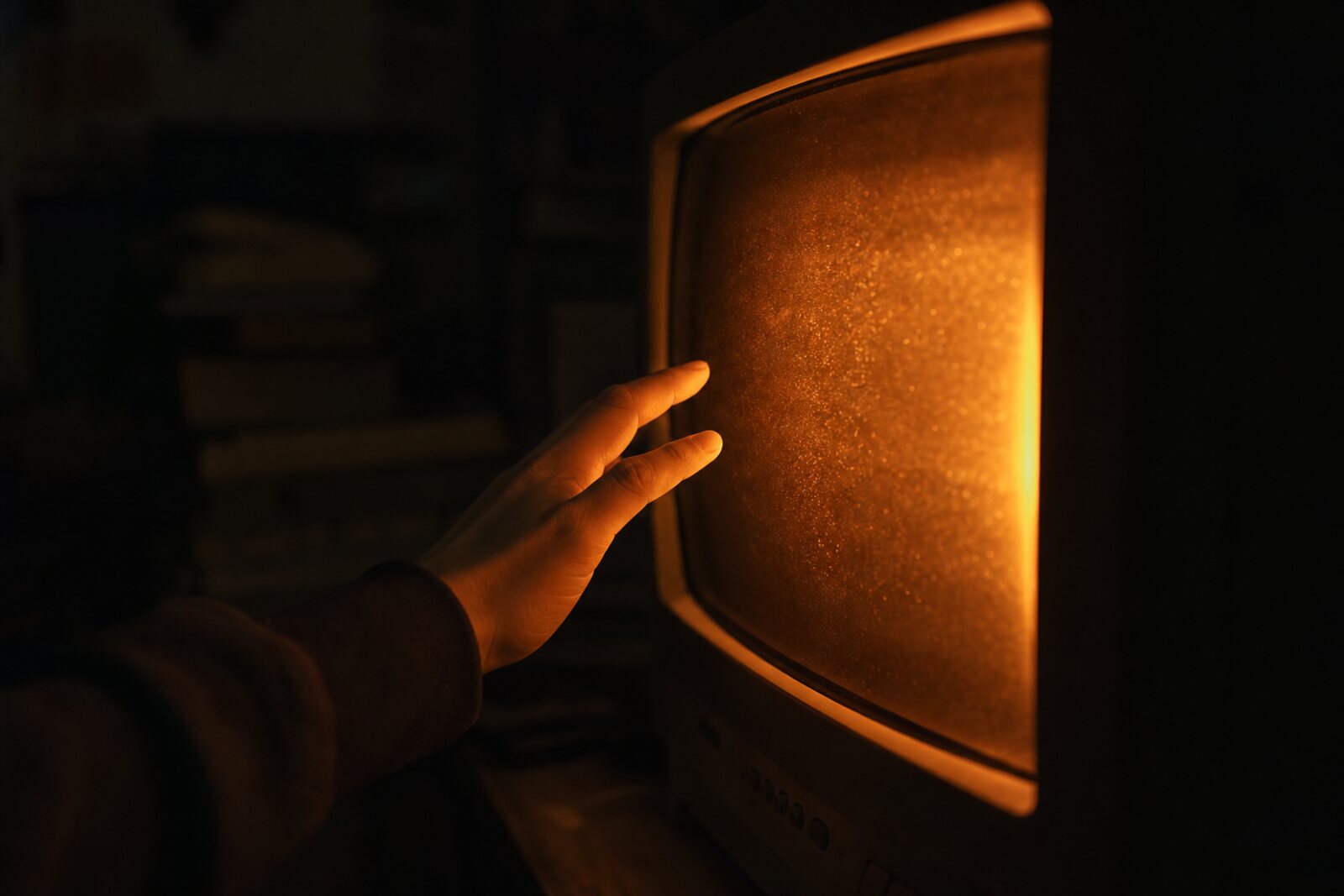
I had this thought while I was skipping rope, and I had to put my head out the door and just sit with it: computers are magic. Actual magic. And somewhere between being a kid and being an adult, I forgot.
The thing we stopped being amazed by
When I was a kid, a computer was a fantasy world. I didn't know a thing about technology, but I knew it was miraculous. Then I grew up and it became furniture.
It came back to me recently when I tried to explain how a computer actually works — and couldn't, because the complexity is staggering. The number of operations that have to fire for the simplest thing you do is absurd. We took work that would take a human being all day and made it happen in under a millisecond. And then we made it happen over and over, millions of times, in the time it takes to blink. It used to take a person all day just to punch the cards to feed the machine. Now it's instant. What? That's magic. It actually is.
I want to get to where I can explain that — not scientifically, but so you feel it. I want someone to listen to me talk about computers for an hour and be as lit up as I was listening to Alan Watts or Terrence McKenna. And I know how to get there. It's literally this: feel the joy, turn on the mic, talk about it.
Everyone's using the same magic system
Here's what fascinates me. The way we interact with computers today is basically a standardized magic system — the stale, everyone's-included version, shaped by culture over decades. Go back far enough and people had to learn the culture of the machine to build a language on top of it that worked for the rest of us. They were tapping into a world. We're just running the current iteration of how we reach into it.
Which means there are almost certainly other ways to tap into that world that got left on the table — because one set of viewpoints happened to go forward and the others didn't.
There was a fork early on: is a computer going to be more like a calculator, or more like a neural net? We went down the calculator road. So what did the neural-net road look like? Not an LLM — something built from the ground up to be generative, to grow its own structures around the person using it. What does that machine feel like? What is that reality? I don't know yet, and that's exactly why I can't stop thinking about it.
Why I think I'm here for it
We treat technology as this metallic, finished thing. But metal is just the current iteration — it's "set in stone" because metal is stone. The moment we name something, we can stop seeing past it. We build the box because the box makes sense, and then the box becomes the ceiling. Flying wasn't a concept anyone accepted until some guys decided it was, and did it.
So what's being left on tap with computers right now that gets tapped later — the thing that'll be normal by the time I'm in my 60s but is a brand-new discovery today? I feel like I'm standing at the right point for it. As long as I stay curious and stay open, it shows up — whether I'm the one who brings it forward or someone around my time does.
Either way, I get to experience it. And honestly, my gratitude about that is sky high. There's so much still uncovered about how amazing this stuff really is. I don't want to forget again.
Written by Vanity Arias · AriaCode Tech
Build something with me →